

0






| Thumbs Up/Down |
| Received: 5,382/129 Given: 6,047/229 |

indo-europeans weren't chinksOriginally Posted by Phenix


| Thumbs Up/Down |
| Received: 2,376/39 Given: 1,377/0 |
Did I said the contrary?

| Thumbs Up/Down |
| Received: 265/17 Given: 11/0 |
I do not see logic in your speech.
Hunnu were just part of the Turks tribes.
One of the hunnic words in Chinese sources is unequivocally Mongolian (initial "n" is absent in proto-Türkic language and having mongolian etymology). Hunnu in China sources= Türkic and Mongolian ethnic groups
| Thumbs Up/Down |
| Received: 5,382/129 Given: 6,047/229 |
you're right, R1a is common among kazakhs

| Thumbs Up/Down |
| Received: 2,900/98 Given: 2,616/27 |
Since when P1 is daddy, for example, to native Europeans I1 and I2 ?

| Thumbs Up/Down |
| Received: 367/27 Given: 11/1 |
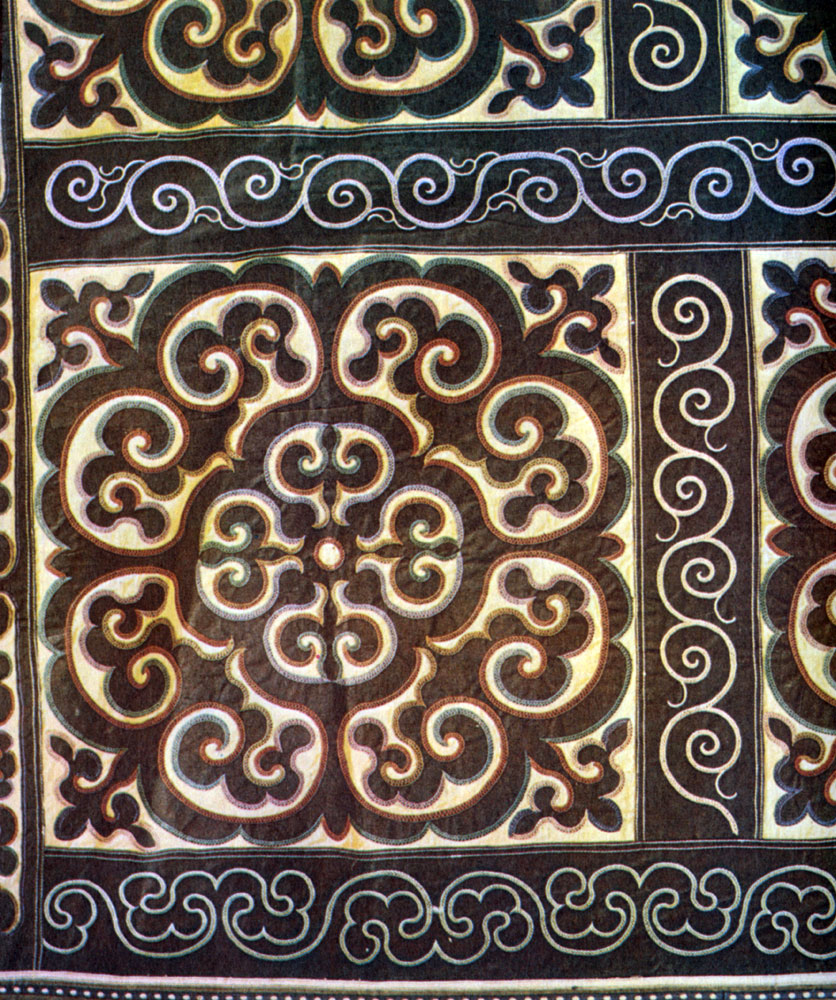
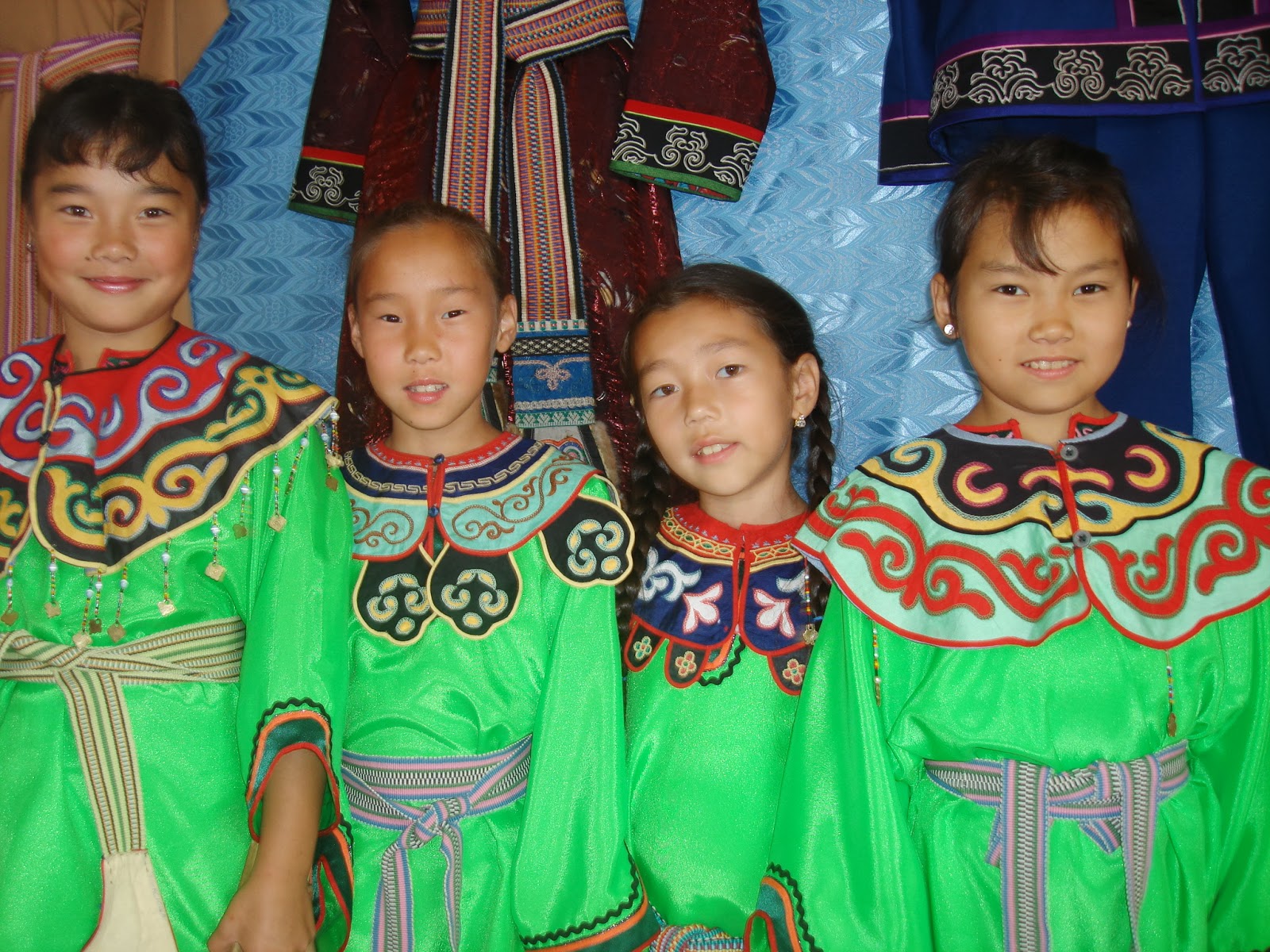
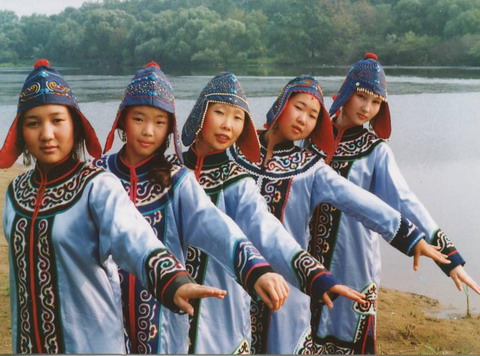
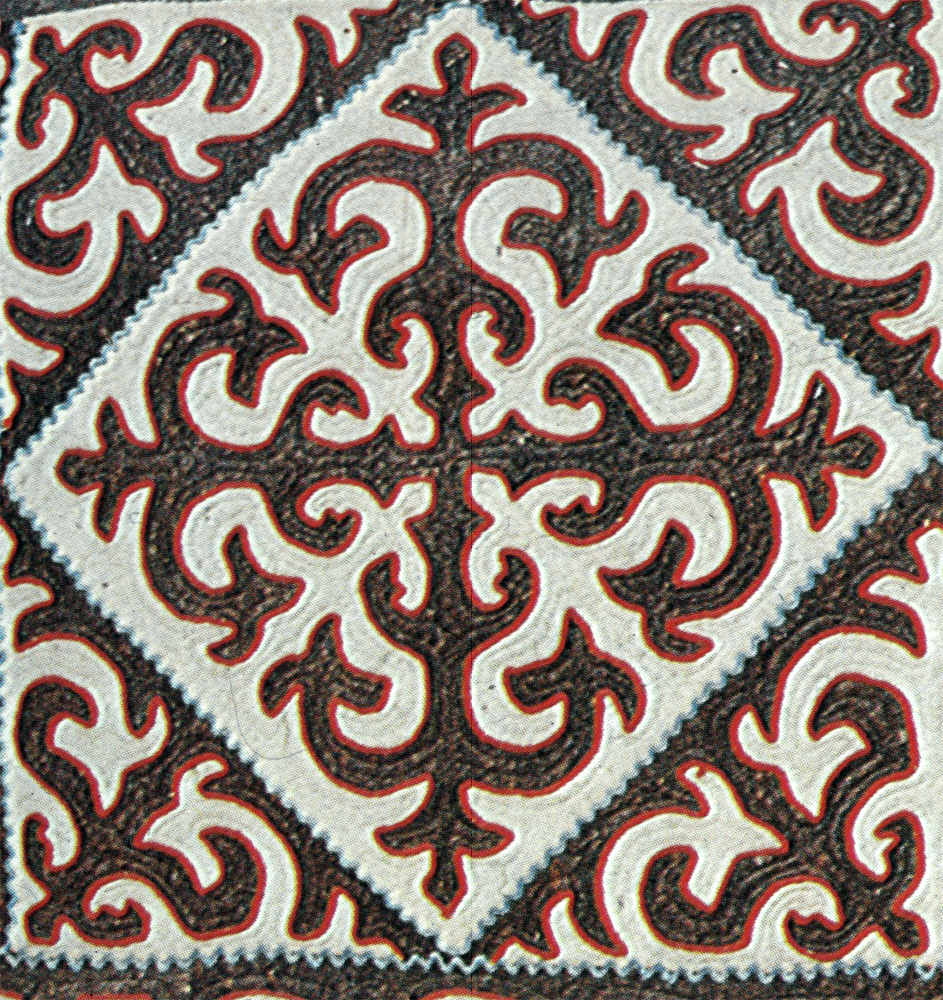
Nanai Tungusic ornament and Nanai people in national clothes
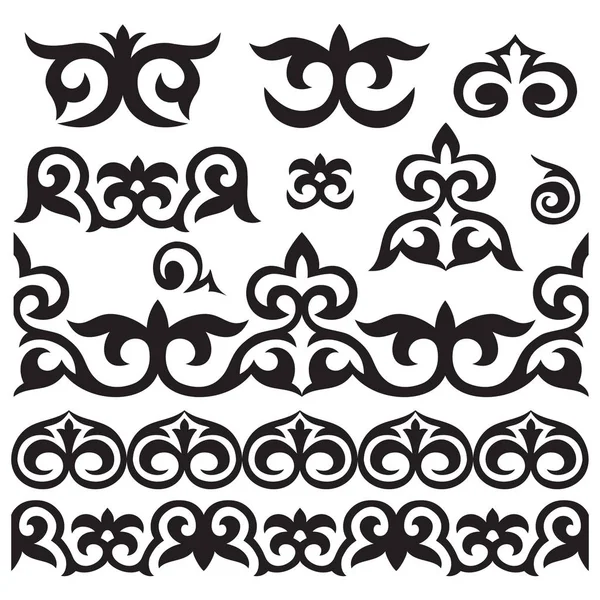
Kazakh national ornament and national clothes

| Thumbs Up/Down |
| Received: 265/17 Given: 11/0 |
Yes, Kazakhs are ethnically close to nanai
| Thumbs Up/Down |
| Received: 367/27 Given: 11/1 |
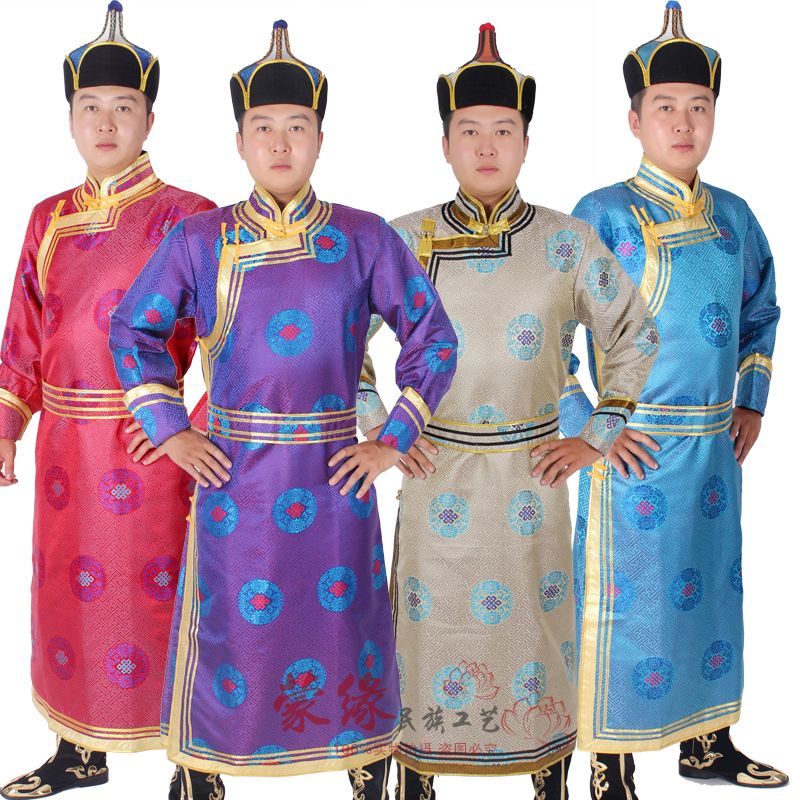
Mongolian traditional dress
| Thumbs Up/Down |
| Received: 265/17 Given: 11/0 |
Looks like a Tuvan dress
| Thumbs Up/Down |
| Received: 367/27 Given: 11/1 |
Tungusic, Mongolic and Turkic languages share similar grammar and structure and are placed in Altaic language family.
Tungusic, Mongolic peoples and Kazakhs share common dominating haplogroup C.
Though proto-Turkic language was formed in my opinion in area where haplogroups Q, C and N merged. Somewhere around Western Mongolia.
There are currently 2 users browsing this thread. (0 members and 2 guests)
 Posting Permissions

 Reply With Quote

Bookmarks