

0









| Thumbs Up/Down |
| Received: 7,434/51 Given: 11,086/8 |

Yes pakistanis have higher baloch/caucasian and slightly less euro compared to indian punjabis and haryanvis. they're more iran neolithic derived with more baloch and caucasus type influence. not by much though about 4% difference on average for those components. they're all still part of general northwest south asian cluster.Originally Posted by SharpFork

| Thumbs Up/Down |
| Received: 7,434/51 Given: 11,086/8 |
Pakistani group averages. Punjabi arains, jatt muslims are representative of pakistani punjabis while jatt sikhs are more representative of indian punjab. The punjabi average uses both indian and pakistani punjabis for group average.
Khatris are originally from modern day pakistan, though they're found mostly in india today cause they're hindus. they migrated from west punjab(pakistan) to east punjab(india) after the partition in 1947. The pak punjabi groups have slightly higher caucasus and baloch as you can see with less euro shift.
I posted kalash, burusho, pathans, balochis for comparison as well. pashtuns are afghan and pathans are pakistani. Burushos have high NE asian/siberian shift due to some mix from baltis (tibetan groups) in northern pakistan.

| Thumbs Up/Down |
| Received: 200/7 Given: 13/1 |
Is this higher Euro admixture in Haryana Jats and Sikh Punjabis a sure thing or could it be from low sample or some kind of statistical anomaly?
| Thumbs Up/Down |
| Received: 7,434/51 Given: 11,086/8 |
with haryana jats its confirmed. They do indeed get highest euro in the subcontinent. There are haryana jatts with a little over 20% NE euro actually. sikh punjabis arent that different from pakistani groups but sikhs do get slightly higher euro while pak groups get slightly higher baloch/caucasus given their proximity to pashtuns and balochis. geogrpahically it makes sense.
| Thumbs Up/Down |
| Received: 200/7 Given: 13/1 |
I find this very strange, given it's not like this region is geographically isolated from the surrounding, do you think this is something that finds its origins in the original IE migration? Or is it from either the iron age/antiquity or medieval/early-modern period?
| Thumbs Up/Down |
| Received: 7,434/51 Given: 11,086/8 |
I think the jatts tend to be more endogamous and didnt marry out their castes too much. Thats why i think they preserved the original steppe genes better. Jatts/rors get 40% steppe on G25, i think you saw the results before on another thread. The euro found in the subcontinent came before iron age. They came in multiple waves but they were before iron age forsure. the steppe migrations occured during bronze age so by iron age, euro components were already established in the region.

| Thumbs Up/Down |
| Received: 2,718/78 Given: 85/392 |
There is not much difference among north and south indian middle classes.
| Thumbs Up/Down |
| Received: 7,434/51 Given: 11,086/8 |
northern indians get more euro in comparison and slightly less south indian regardless of caste compared to south indians but i agree not that much of a difference. However, there are differences based on caste within a region. Northern india also has higher proportion of brahmins compared to south india. Rajasthan actually has a lot of jatts, brahmins (roughly 25% of their state) and they score in low 30s for south indian, but their rajputs are technically the middle castes and many of the tribal groups in rajasthan score about the same amount of south indian as their middle castes at mid 40s. Central and eastern indian states score some mongoloid, especially bengalis. There are some tribal groups in central india that get 30-35% SE asian admix. I'll make a tribal, low caste/dalit, and brahmin ones too later tomorrow and post on this thread.
| Thumbs Up/Down |
| Received: 2,718/78 Given: 85/392 |
It seems there is not much difference among elites of north and south, but poor people have much more variation.




| Thumbs Up/Down |
| Received: 2,314/77 Given: 1,197/16 |
Haryana Jatts and Indian Punjabi Jatts have more Indo-European than most non-European IE speaking groups apart from Tajiks. Interesting.
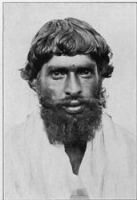
That may explain people like this Sikh (Corded-Nordic influence is clear in him):

There are currently 2 users browsing this thread. (0 members and 2 guests)
 Posting Permissions

 Reply With Quote
Bookmarks